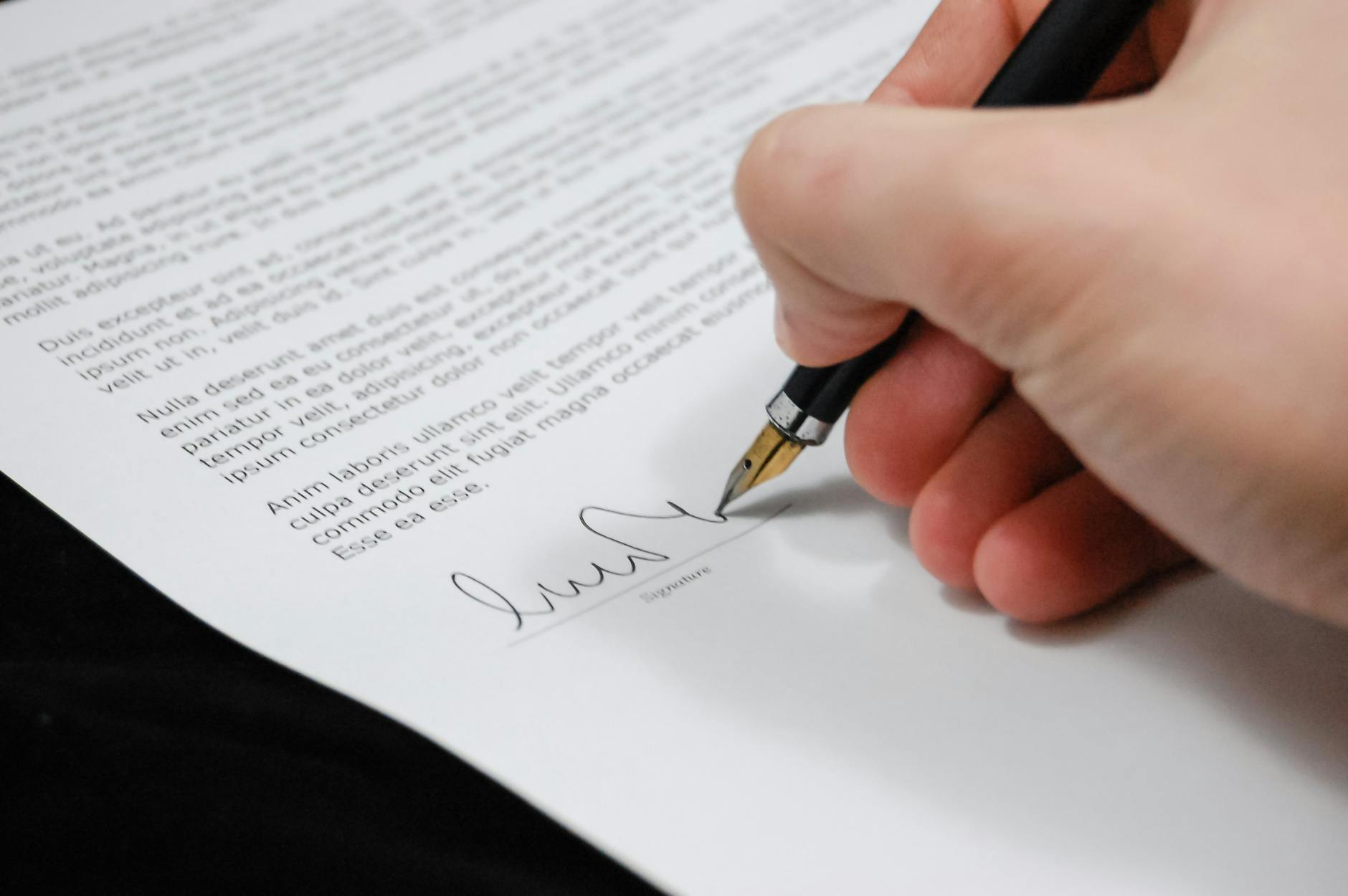
What each side is thinking about
A buyer wants to know the property is really the seller's to sell, free of surprises, and that the money and the loan come together on time. A seller wants their existing mortgage paid off cleanly, the proceeds to them without a hitch, and to be done with the liability. The title company handles both sets of concerns at once, which is why it is neutral.
Understanding that the other side has their own worries, and that the title company is managing all of it, takes a lot of the tension out of a closing.
Who pays for what
In a Texas transaction, who pays which closing cost is largely negotiable and gets spelled out in the purchase contract, so there is no single fixed answer, and it can vary with the market and the deal. The owner title policy, the escrow fee, recording, and a survey each land somewhere by agreement. What matters is that it is all laid out on the settlement statement before closing so there are no surprises, and a good title company walks you through that statement line by line rather than leaving you to decode it.
How to make it smooth
The closings that go sideways almost always snag on paperwork that came in late or information that was missing, so the single best thing either side can do is respond quickly when the title company or the lender asks for something. Getting your identification, your payoff details, your loan paperwork, and your questions in early gives everyone time to clear problems before closing day instead of scrambling at the table.
A closing feels smooth when the work happened ahead of it, and that partly depends on you.
- Who pays which fee is negotiable in the contract
- Getting your paperwork in early is what prevents delays
- The title company works for the whole deal, both sides

Regulated under the Texas Department of Insurance's title insurance rules
Questions people ask about For Buyers and Sellers
Who chooses the title company?
It is negotiable and written into the contract, and either side can propose. Since the premium is identical everywhere in Texas, the choice is about service and speed, which means neither side gives anything up by agreeing to the more responsive company. It is one of the easier negotiations in the deal.
The seller still owes on their mortgage. How does that work?
Routinely. The title company gets an exact payoff figure from the seller's lender, pays that loan off out of the sale proceeds at funding, and obtains the release. The seller never touches that money and the buyer never depends on the seller doing it. That choreography is much of what escrow is for.
Where does my earnest money actually sit?
In the title company's escrow account, receipted, held by the neutral party rather than either side, and credited to you at closing. If the deal dies, the contract dictates who gets it. That neutrality is the point: nobody is chasing anybody for a check.
What to bring to your closing, A printable checklist, including the wire verification step that matters most.
New to this? The plain-English guide to ordering walks through what to decide first.